Essential Oils: Powerful Natural Remedies That Require Respect
Essential oils have gained immense popularity in India for their therapeutic benefits in skincare, hair care, aromatherapy, and wellness. However, these concentrated plant extracts are extremely potent — a single drop of essential oil can contain the essence of hundreds of plants. Using them incorrectly can cause skin burns, allergic reactions, or other adverse effects.
At Nuerma Science, we want you to enjoy the full benefits of essential oils safely. Here is your complete beginner's guide.
Essential Oil Safety Rules Everyone Must Follow
1. Always Dilute Before Skin Application
Never apply undiluted essential oils directly to your skin. They must be mixed with a carrier oil (like coconut, jojoba, or sweet almond oil) before use. The general safe dilution ratios are:
- Face: 1% dilution (6 drops per 30ml carrier oil)
- Body: 2% dilution (12 drops per 30ml carrier oil)
- Spot treatment: 3-5% dilution (18-30 drops per 30ml carrier oil)
- Children: 0.5% dilution (3 drops per 30ml carrier oil)
2. Always Patch Test First
Apply a small amount of diluted essential oil to your inner forearm. Wait 24-48 hours. If there is no redness, itching, or irritation, it is likely safe for you to use. This step is especially important for people with sensitive skin.
3. Some Oils Are Photosensitive
Citrus oils like lemon, lime, bergamot, and grapefruit can cause severe skin reactions when exposed to sunlight. Avoid applying these to skin that will be exposed to UV rays within 12 hours.
4. Not All Oils Are Safe for Everyone
Pregnant women, nursing mothers, children under 2, and people with epilepsy or certain medical conditions should consult a healthcare professional before using essential oils. Some oils are strictly contraindicated during pregnancy.
Popular Essential Oils and Their Uses
- Lavender: Relaxation, sleep aid, skin healing, gentle enough for most people
- Tea Tree: Acne treatment, antibacterial, antifungal
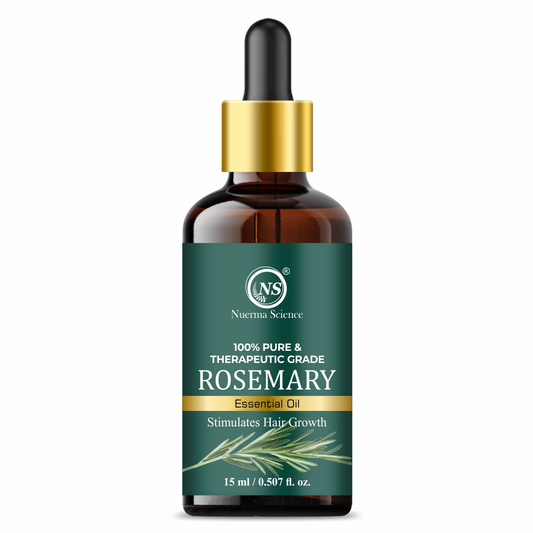
- Rosemary: Hair growth, mental clarity, scalp health
- Peppermint: Headache relief, cooling sensation, energy boost
- Eucalyptus: Respiratory support, muscle pain relief
- Lemon: Mood uplifter, cleaning, skin brightening (avoid sun exposure)
Methods of Using Essential Oils
Topical Application
Mixed with carrier oils for massage, skincare, or hair care. This is the most common method for beauty-related uses.
Aromatherapy Diffusion
Using a diffuser to disperse essential oils into the air for mood enhancement, relaxation, or respiratory benefits. Use 3-5 drops per session and diffuse for 30-60 minutes at a time.
Steam Inhalation
Adding 2-3 drops to hot water and inhaling the steam for respiratory relief or facial cleansing.
How to Choose Quality Essential Oils
Look for 100% pure essential oils stored in dark glass bottles. Check for the botanical name on the label. Avoid oils labelled as "fragrance oil" or "perfume oil" — these are synthetic and lack therapeutic benefits.
Begin your essential oils journey with confidence. Explore Nuerma Science's collection of pure essential oils and discover natural wellness at its finest.